
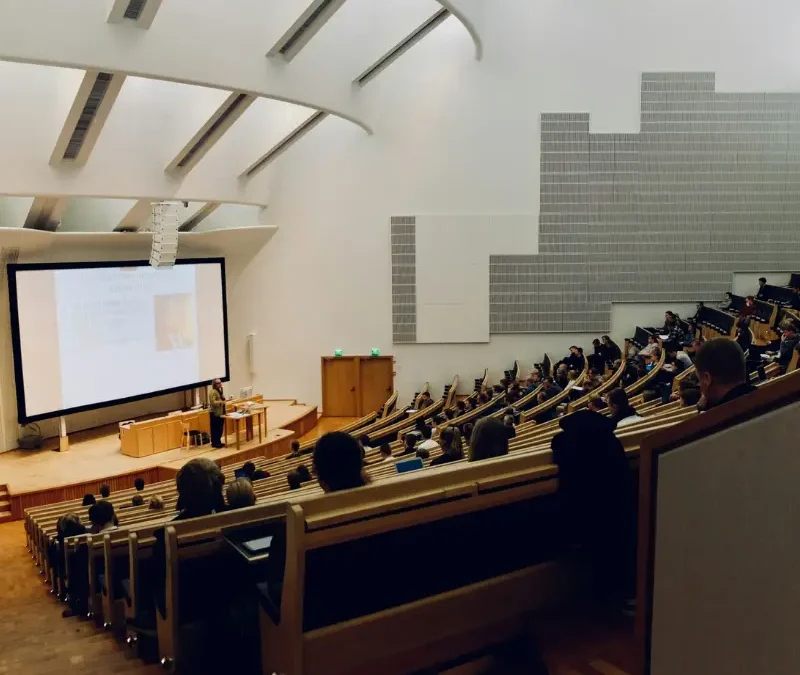
For many students, the move from high school to college or university represents an exciting new chapter, but for those with learning disabilities or learning challenges, this transition can also bring uncertainty.
The supports, accommodations, modifications, and Individualized Education Plans (IEPs) that were familiar in secondary school don’t automatically carry over into post-secondary institutions. Preparing early to meet new accommodation requirements is essential for a smooth and confident transition into higher education.
Alongside our partner Integrative Psychiatry Canada (IPC), Edcommodate specializes in helping students bridge the gap. With experience across primary, secondary, and post-secondary education, our team offers guidance to students going through the academic accommodations process, helping them succeed and thrive in higher education.
Understanding the Shift From Secondary to Post-Secondary Education
In high school, students often receive an Individual Education Plan (IEP) that outlines their specific accommodation needs, such as extra time on exams, assistive technology, modified course materials, or related student supports for learning disabilities, learning challenges, and/or mental health disabilities.
Once students move into post-secondary school, the process looks quite different. Instead of the school suggesting support for university students or college students, learners are expected to self-advocate and provide up-to-date medical documentation to request appropriate accommodations or modifications for post-secondary programs. Post-secondary institutions have legal requirements to accommodate students, balancing academic integrity with the students’ right to accessible education. Yet, the process and requirements for accommodating students can vary across educational institutions/post-secondary institutions.
This shift can feel daunting for students and families, especially when navigating complex accessibility policies and procedures. That’s where Edcommodate comes in.
Empowering Students in the Accommodation Process
Each student’s needs are unique, and so is their accommodation and/or modification plan. Edcommodate provides psychoeducational assessments and guidance that equip students with the documentation, insights, and strategies they need to understand and access reasonable accommodations at the post-secondary level. Our detailed reports outline a student’s cognitive profile, learning strengths, and limitations, providing a strong foundation for their accommodation request.
We empower students to:
-
Communicate effectively with accessibility advisors and education providers.
-
Prepare the required psychoeducational documentation.
-
Connect with resources that enhance learning opportunities, including access to assistive technology, extended timelines, exam accommodations, on-campus support services, and other related services for accommodation and/or modification at the post-secondary level.
By equipping students with knowledge and documentation, Edcommodate helps ensure a fair and informed accommodation process at the college and university level.
Building a Stronger Support Network with Integrative Psychiatry Canada (IPC)
Through our partnership with IPC, students can also access additional support services to help navigate the accommodation process. Together, we ensure students and their families understand what to expect when approaching accessibility advisors, faculty members, and disability offices for post-secondary education. Our collaborative approach can assist with securing accommodations in a timely manner.
Creating Pathways to Academic Success
By combining psychoeducational assessments and reporting with coordinated collaboration through Integrative Psychiatry Canada for those requiring additional support to set up accessibility at a post-secondary institution, Edcommodate helps create pathways toward independence, self-advocacy, and academic success. The transition for university students or college students doesn’t have to feel overwhelming. With the right support, post-secondary students can step into their new learning environment equipped with the tools, confidence, and documentation they need to thrive.
Interested in learning more about how Edcommodate supports post-secondary education disability accommodations? Contact us today.